
Myth-Busting: Common Misconceptions About VoIP Technology


Voice over Internet Protocol (VoIP) technology has revolutionized the way we communicate, yet it remains shrouded in myths and misconceptions. These misunderstandings can deter individuals and businesses from embracing its full potential. Today, we'll debunk some of the most common myths about VoIP technology.
Myth 1: VoIP Calls Have Poor Quality
One of the most persistent myths about VoIP is that it inherently offers poor call quality. While early iterations of VoIP might have suffered from issues like dropped calls or poor audio, modern VoIP technology has significantly improved. Advances in internet infrastructure and codec technology ensure that VoIP calls can now rival, or even surpass, traditional phone lines in quality.

Factors Influencing Call Quality
The quality of a VoIP call largely depends on a few factors, such as internet speed, network hardware, and service provider. Ensuring a stable and fast internet connection can greatly enhance call clarity. Additionally, using quality headsets and routers designed for VoIP can make a significant difference.
Myth 2: VoIP Is Only for Large Businesses
Another common misconception is that VoIP is exclusively for large corporations. In reality, VoIP is highly scalable and can be tailored to fit the needs of any business size, from small startups to large enterprises. Many VoIP providers offer customizable plans that cater to different scales and requirements.

Benefits for Small Businesses
Small businesses can particularly benefit from VoIP technology due to its cost-effectiveness and flexibility. With features like virtual meetings, voicemail to email, and mobile integration, small businesses can enhance their communication without breaking the bank.
Myth 3: VoIP Is Not Secure
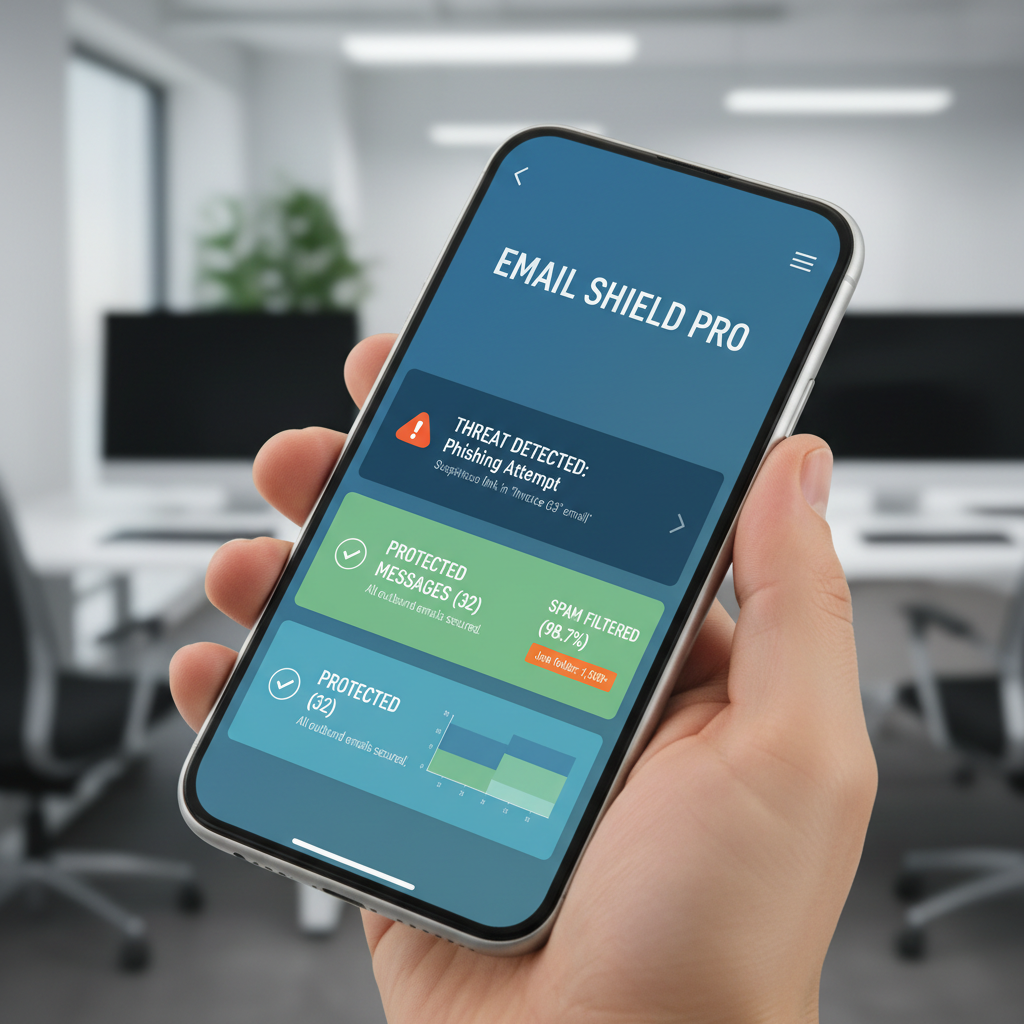
Security concerns are often raised as a barrier to adopting VoIP. However, modern VoIP systems use numerous security measures to protect communications. Encryption protocols, secure networks, and regular updates ensure that VoIP calls are secure from eavesdropping and hacking.
Implementing Security Measures
Businesses can further enhance their VoIP security by implementing strong passwords, using firewalls, and choosing providers that offer end-to-end encryption. Regular audits and updates are crucial to maintaining a secure VoIP environment.
Myth 4: VoIP Requires Extensive Technical Expertise
Many believe that implementing and managing VoIP systems requires a high level of technical expertise. While specialized knowledge can be beneficial, most VoIP services are designed to be user-friendly and straightforward. Providers often offer comprehensive support and tutorials to assist with setup and troubleshooting.

User-Friendly Interfaces
Modern VoIP solutions come with intuitive interfaces that simplify the process for users. Whether it's setting up a new phone line or managing call settings, VoIP systems are designed to be accessible even to those with minimal technical background.
In conclusion, VoIP technology is not just a viable alternative to traditional telephony; it's often a superior choice. By dispelling these myths, individuals and businesses can make informed decisions and fully leverage the benefits of VoIP.