
Essential IT Security Tips for Hosts of Large Events


Understanding the Importance of IT Security for Large Events
In today's digital age, ensuring robust IT security for large events is crucial. With thousands of attendees and numerous systems in play, the risk of data breaches and cyberattacks is higher than ever. Event hosts must prioritize security to protect sensitive information and maintain the trust of participants.

Implementing Strong Network Security
One of the first steps in securing an event is implementing strong network security measures. This includes setting up a secure Wi-Fi network with a strong, unique password and using encryption protocols like WPA3. Regularly updating and patching network devices can prevent vulnerabilities from being exploited.
In addition, consider segmenting the network to separate attendee access from administrative functions. This minimizes the risk of unauthorized access to sensitive data and systems.
Ensuring Secure Data Handling
Data collected during events, such as registration information and payment details, must be handled securely. Use secure payment gateways and ensure that all data is encrypted both in transit and at rest. Limiting access to sensitive information to only essential personnel can further reduce the risk of data breaches.

Training Staff on Cybersecurity Best Practices
Human error is a leading cause of security breaches, making staff training a critical component of event security. Train your team on identifying phishing attempts and the importance of using strong, unique passwords. Regularly updating training materials to reflect the latest security threats can help keep staff prepared.
Deploying Physical Security Measures
While IT security is crucial, physical security also plays a role in protecting digital assets. Ensure that all hardware, such as laptops and servers, is securely stored and monitored. Implementing access controls and using security personnel can prevent unauthorized physical access to sensitive equipment.

Preparing an Incident Response Plan
Despite best efforts, breaches can still occur. Having a well-defined incident response plan can help minimize damage and facilitate a quick recovery. This plan should include steps for identifying, containing, and mitigating security incidents, as well as notifying affected parties and authorities when necessary.
Regularly reviewing and updating the incident response plan ensures that it remains effective against evolving threats.
Leveraging Technology and Security Tools
Utilize advanced security tools such as firewalls, intrusion detection systems, and antivirus software to bolster your event's IT security. These tools can detect and neutralize threats before they cause significant harm. Consider partnering with a cybersecurity firm to provide expert guidance and support.
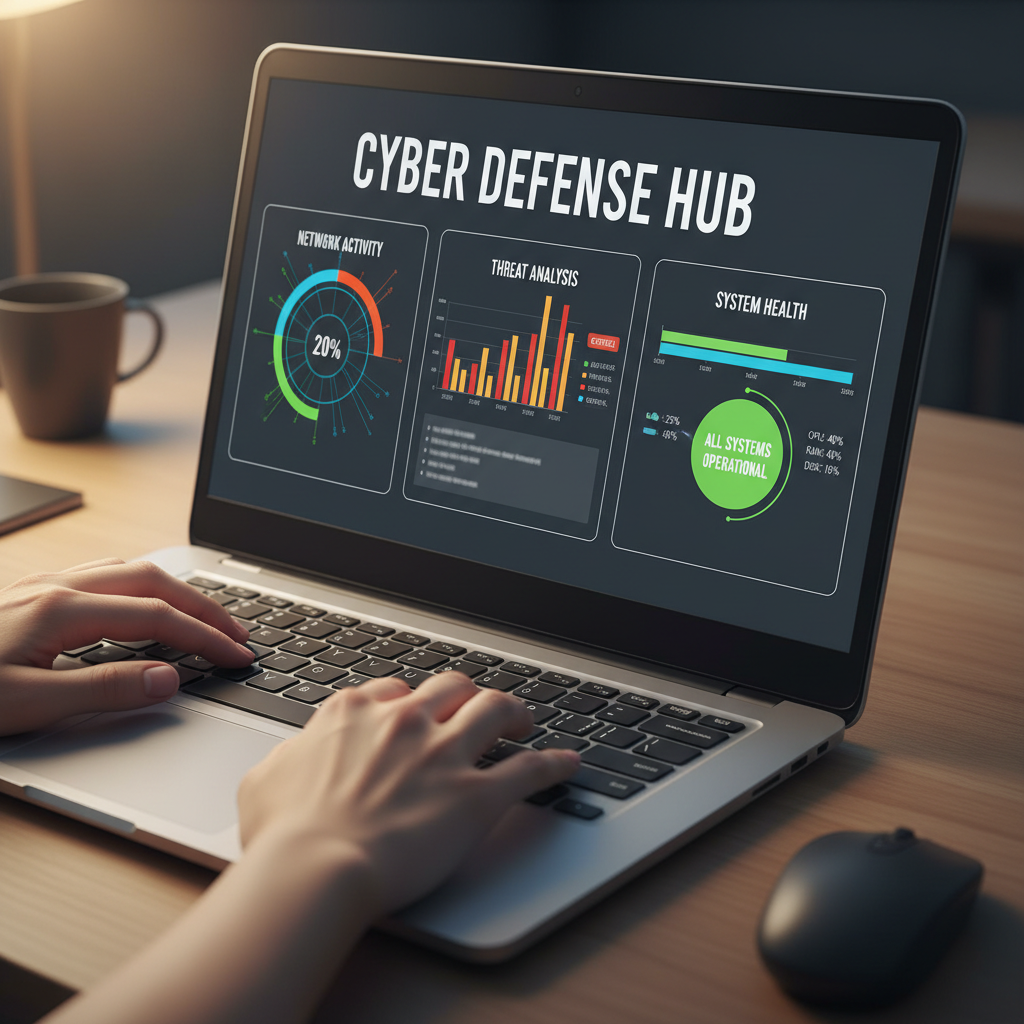
By implementing these essential IT security tips, hosts of large events can create a safer environment for attendees and protect critical data from potential cyber threats. Prioritizing security not only safeguards information but also enhances the overall experience for everyone involved.